
Treatments in Surat
Hair Transplant and Hair-Loss Treatments
Every treatment has its own page with who it suits, what happens, recovery and cost factors.
All treatments
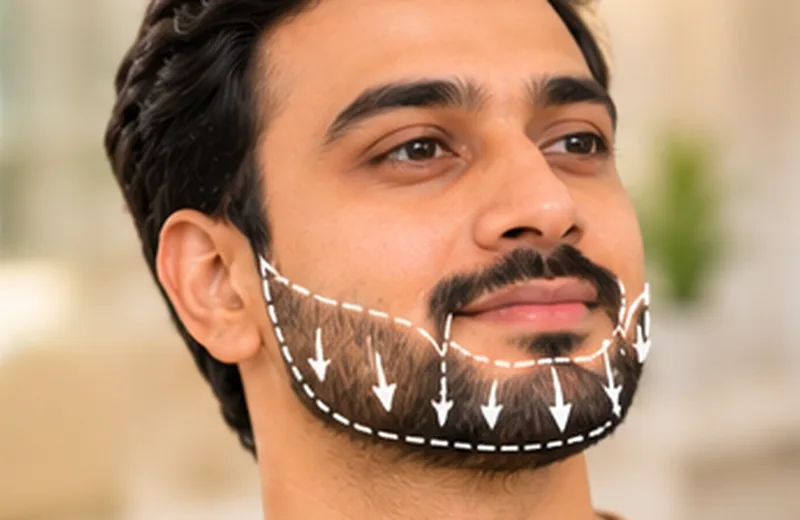
Beard Transplant in Surat
Hair transplant in Surat
View details →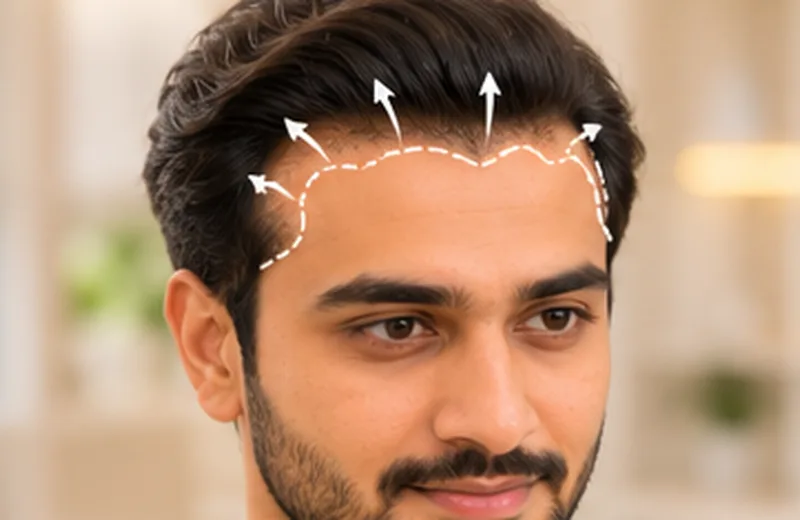
Corrective Hair Transplant in Surat
Hair transplant in Surat
View details →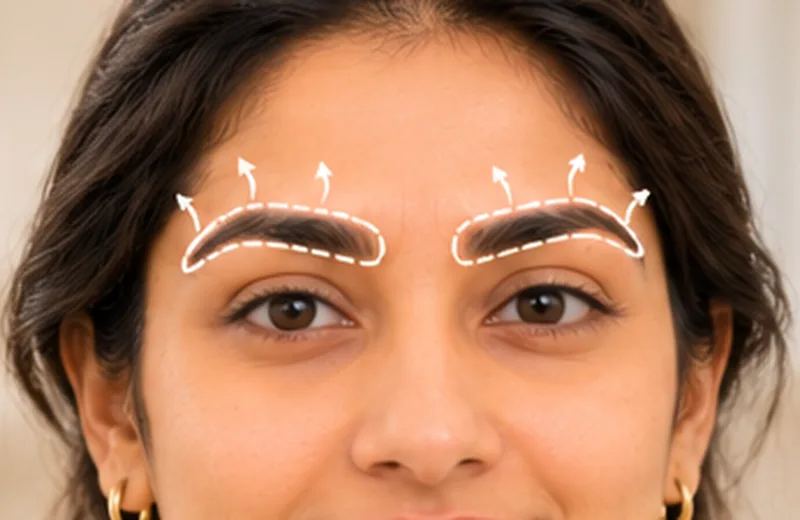
Eyebrow Transplant in Surat
Hair transplant in Surat
View details →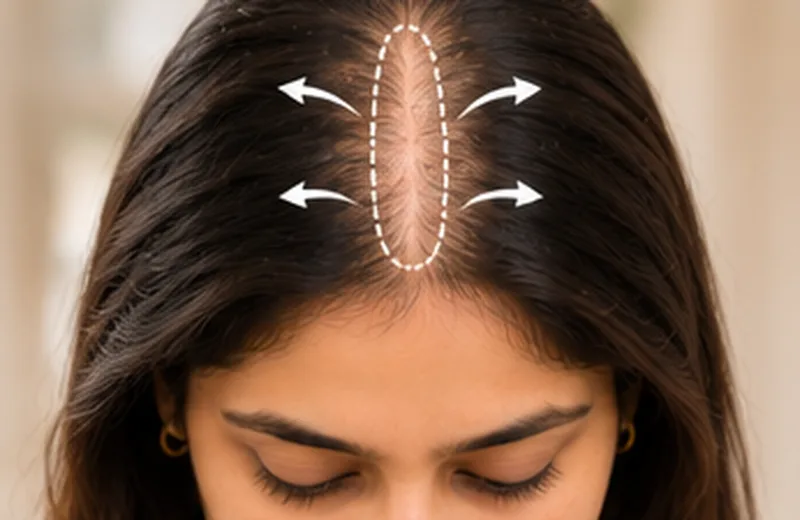
Female Hair-Loss Treatment in Surat
Hair-loss treatment in Surat
View details →
FUE Hair Transplant in Surat
Hair transplant in Surat
View details →
FUT Hair Transplant in Surat
Hair transplant in Surat
View details →
Hair and Scalp Conditions in Surat
Hair and scalp conditions
View details →
Hair Patch in Surat
Hair replacement and camouflage
View details →
Hair Replacement in Surat
Hair replacement and camouflage
View details →
Hair Transplant in Surat
Elegance Clinic, Surat
View details →
Hair-Loss Treatment in Surat
Hair-loss treatment in Surat
View details →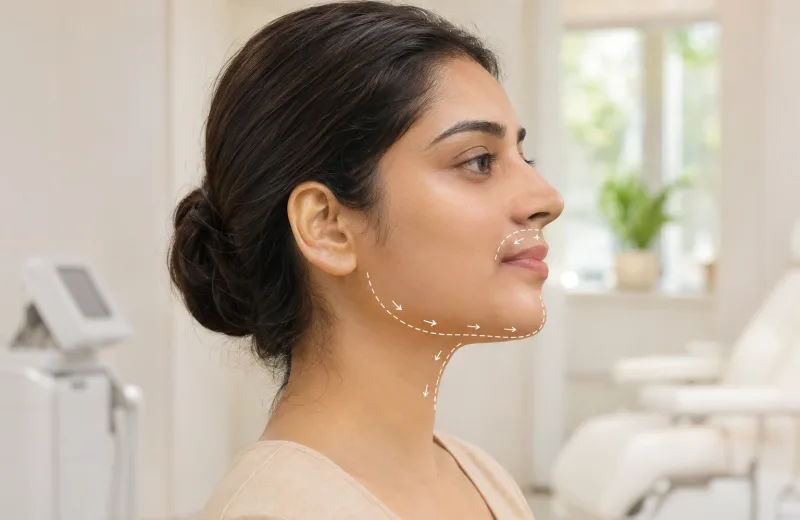
Laser Hair Reduction in Surat
Laser hair reduction in Surat
View details →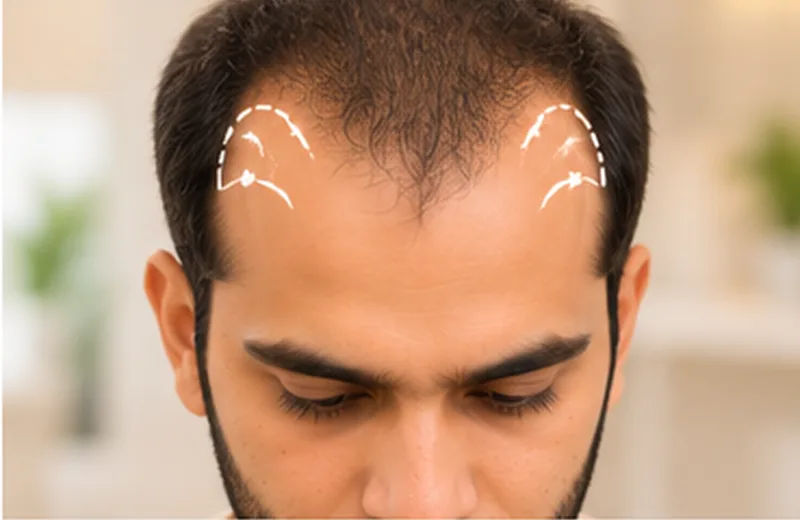
Male-Pattern Hair Loss in Surat
Hair and scalp conditions
View details →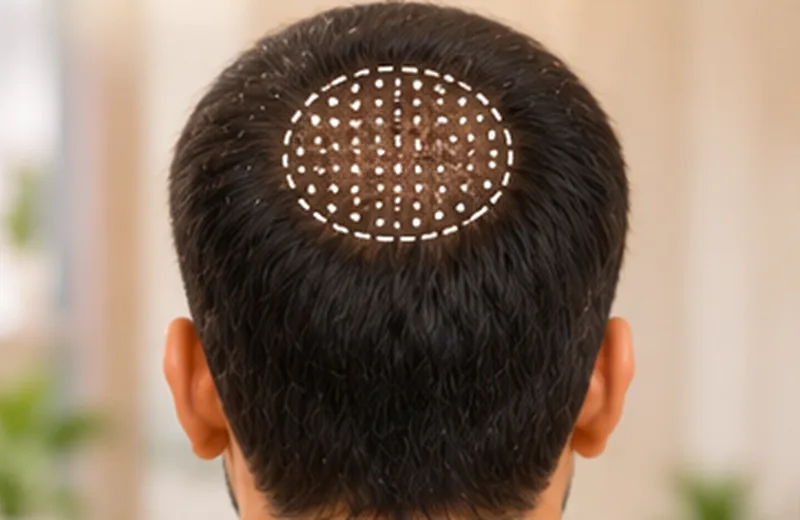
PRP Hair Treatment in Surat
Hair-loss treatment in Surat
View details →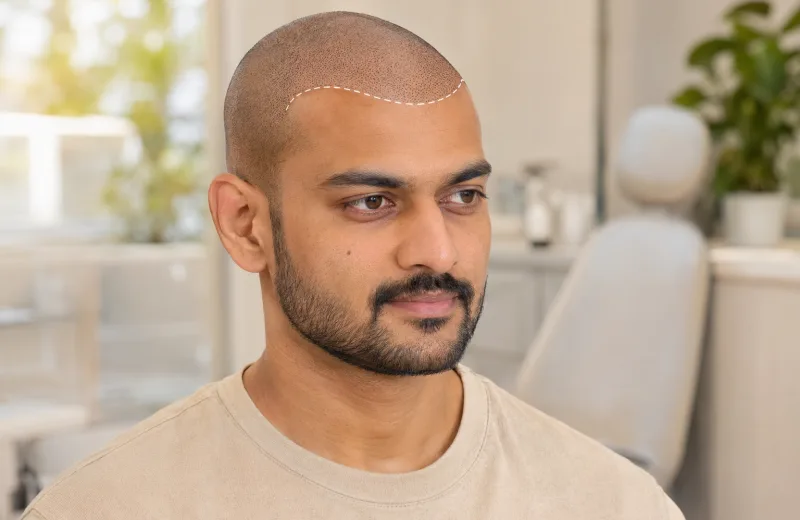
Scalp Micropigmentation in Surat
Hair replacement and camouflage
View details →
Transgender Hair Restoration in Surat
Hair transplant in Surat
View details →How to use this list
This page lists every treatment explained on this site. Each one has its own page that answers the same questions in the same order: what it is, who it suits, how it is done, the benefits, the risks, recovery, what affects the cost and what to expect.
The treatments fall into four groups. Diagnosis and medical care covers hair-loss treatment, male-pattern and female hair loss, and hair and scalp conditions. Surgical restoration covers FUE and FUT hair transplant, beard and eyebrow transplant, corrective surgery and transgender hair restoration. Supportive treatment covers PRP. Camouflage and other options cover hair replacement, hair patch, scalp micropigmentation and laser hair reduction.
Not every person with hair fall needs surgery. The usual order is to find the cause, protect the hair you have, and only then decide whether a transplant or a non-surgical option fits. Suitability, risks and recovery differ for each patient and are discussed during consultation.
What every treatment page includes
Each page shows the date it was last reviewed. It ends with a short list of questions and answers and a button to book a consultation on WhatsApp. Where a treatment has several forms, such as standard and long-hair FUE, they are compared in a table so that the differences are easy to see. No prices, offers or patient photographs appear on any page.
Common questions
Treatments, answered.
Short, honest answers. Your own case is discussed at consultation. All questions.
Which treatment should I read about first?
Start with hair-loss treatment if you do not yet know why your hair is thinning. If a doctor has already confirmed stable pattern hair loss, the hair transplant page explains the surgical options. If you are unsure which applies to you, ask the team on WhatsApp.
Do I need a diagnosis before choosing a treatment?
Yes. Hair loss has several causes, and each one is treated differently. A scalp examination, and blood tests where needed, come before any medicine, PRP course or surgery, because starting treatment without knowing the cause can waste time and may not address the real problem.
Is a hair transplant the only lasting option?
No. Medical treatment can hold pattern hair loss for years while it is used. A transplant moves hair to thin areas but does not stop further loss, so the two are often combined, and the surgeon explains at the consultation which mix suits your stage of hair loss.
What if I am not suitable for surgery?
Non-surgical options such as a hair patch, hair replacement or scalp micropigmentation can give cover when the donor area is limited. They are explained on their own pages, with their upkeep and limits. The surgeon can tell you after an examination which of them fits your situation.
Are the treatments different for women?
The assessment is different, with more attention to hormones, iron and thyroid function. Most women are managed medically, and surgery is considered only for a stable pattern with a good donor area. Blood tests may be advised first, so bring any recent reports to the consultation.
Where can I see what treatment costs?
No prices are listed on this site, because the cost depends on an examination. The cost page explains the factors that affect the figure, such as the number of grafts, the technique and the aftercare. A written range is given after your scalp and donor area have been assessed.