
Education centre
Hair Loss and Hair Transplant Blog
Plain-language articles on hair loss, hair transplant, recovery and scalp care, reviewed by the surgeon.

Articles

Hair Transplant Surgeon in Surat
A hair transplant surgeon is the doctor who plans the operation, designs the hairline, gives the anaesthesia and carries out the surgical steps. In India this should b...
Read article →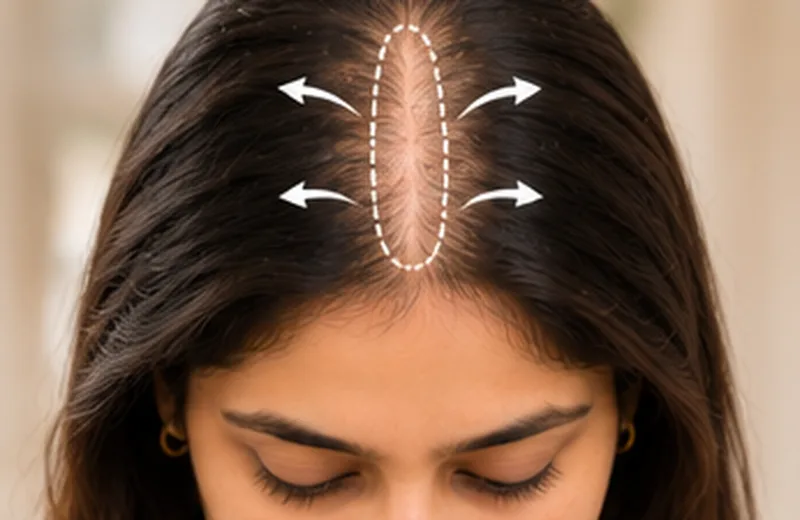
Telogen Effluvium: Sudden Hair Shedding
Telogen effluvium is sudden, all-over hair shedding that starts two to three months after a trigger such as fever, childbirth, surgery, crash dieting or severe stress....
Read article →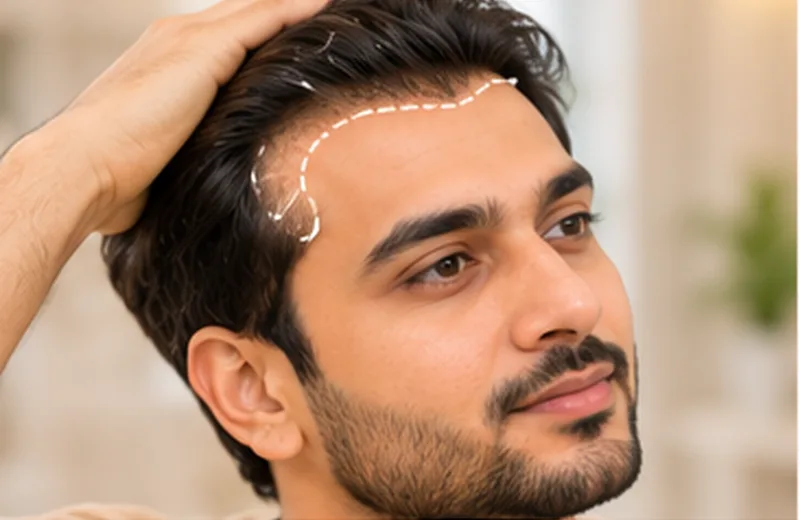
How Is Hair Loss Diagnosed?
Hair loss is diagnosed in steps: a detailed history, an examination of the scalp and hair, a pull test, a magnified look at the scalp called trichoscopy and, where ind...
Read article →
Dandruff: Causes and Treatment in Surat
Dandruff is flaking of the scalp caused mainly by a yeast that lives on oily skin and by the way each person's skin reacts to it. It is common and harmless and is cont...
Read article →
Alopecia Areata: Causes and Treatment in Surat
Alopecia areata is an immune condition in which the body's own defences switch off hair follicles, causing smooth, round, hairless patches on the scalp, beard or brows...
Read article →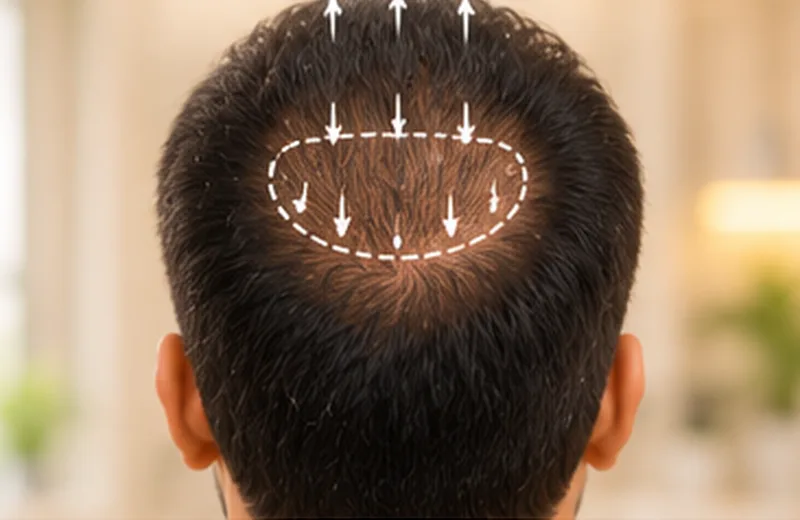
Hair Transplant Complications and Side Effects
Most hair transplant side effects are mild and temporary: swelling, crusting, numbness, itching and shedding of the transplanted hairs. Real complications, such as inf...
Read article →What this blog covers
The blog is the education centre of this site. Each article takes one question that patients in Surat ask about hair loss, hair transplant, recovery or scalp care, and answers it in plain language. Articles are shorter and more specific than the treatment pages. Where a treatment page explains a whole procedure, an article looks at one part of it, such as what causes sudden hair fall, how to compare two clinics or what to do in the first week after surgery.
How the articles are written and checked
Every article starts with a direct answer, followed by the detail, the limits of what is known and a short list of common questions. The text is reviewed by the plastic surgeon who leads the clinic, and the review date is shown at the top. No article promises a result, quotes a price or shows patient photographs, in line with Indian medical advertising rules. Sources such as public health bodies and professional societies are linked where they help.
How to use the blog
Use the category tabs to see articles on one topic. If you are new to the subject, begin with the patient guide and the main hair transplant and hair-loss treatment pages, then come back to the articles for detail. Reading is not a substitute for an examination. An article can tell you what to ask, and the consultation is where your own scalp and donor area are assessed.
Common questions
Blog, answered.
Short, honest answers. Your own case is discussed at consultation. All questions.
How is the blog different from the treatment pages?
A treatment page explains one procedure from start to finish: who it suits, the steps, recovery, risks and cost factors. A blog article takes a single question within that subject and answers it in more detail. The two are linked, so you can move from one to the other.
Who writes and reviews the articles?
The articles are written in plain language from current medical practice and are reviewed by the plastic surgeon who leads the clinic. Each article shows the date of its last review and a link to the profile of the reviewer, so you can see who stands behind the content.
How often are new articles added?
New articles are added from time to time, and older ones are reviewed when guidance changes. The newest articles appear first on this page. If a topic you want is missing, you can ask about it on WhatsApp and it may be covered next.
Can I rely on an article instead of a consultation?
No. Articles give general education and help you prepare better questions. They cannot take your medical history, scalp condition and donor area into account. Advice about your own case, and any treatment plan, is given only after an examination at the clinic.
Why do the articles not show patient results?
Indian medical advertising rules do not allow doctors to publish testimonials or before-and-after photographs, so this site does not show them. What you can realistically expect from a treatment is discussed in person, where your own case can be examined and explained honestly.